Hayward Oubré
(1916-2006)
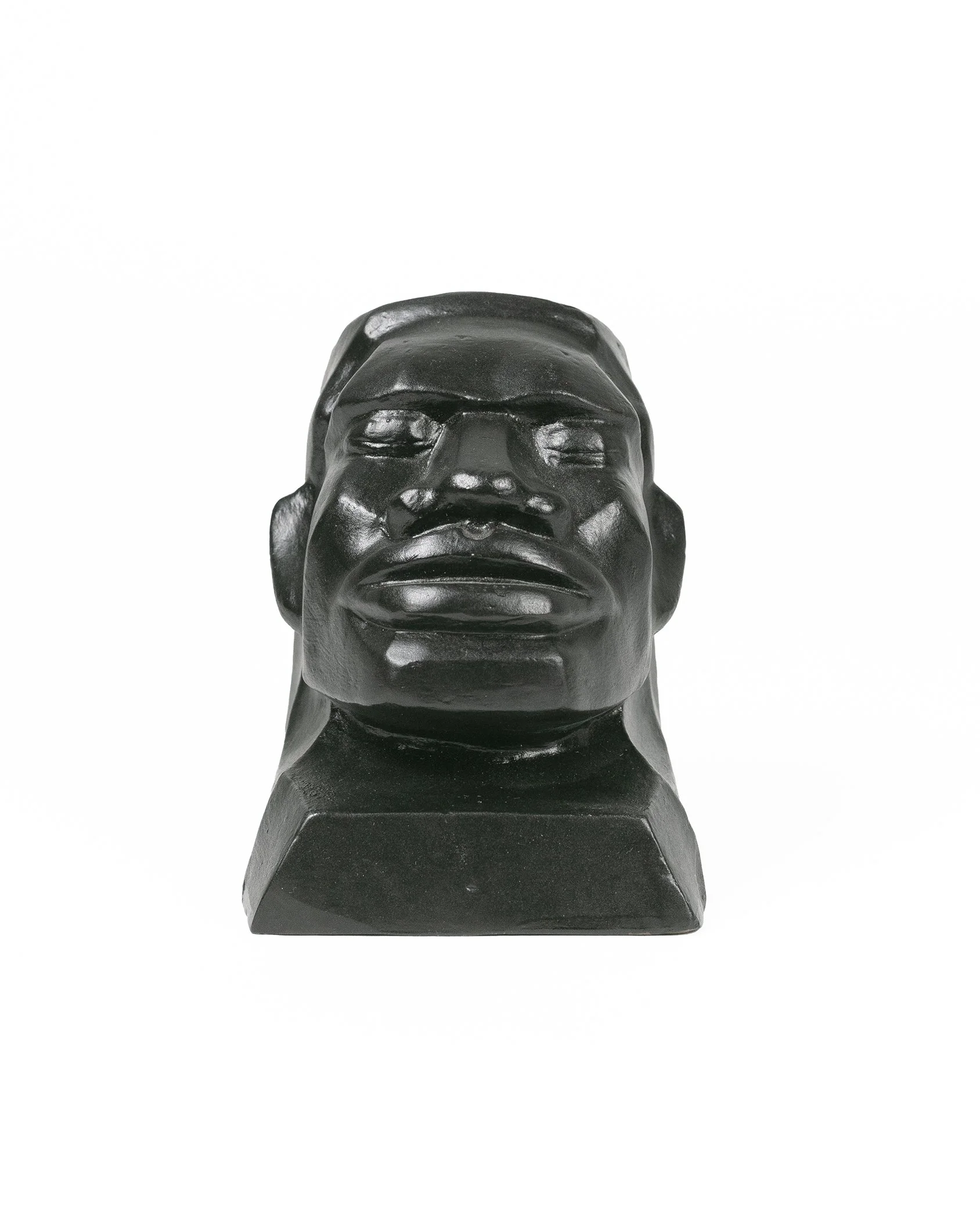
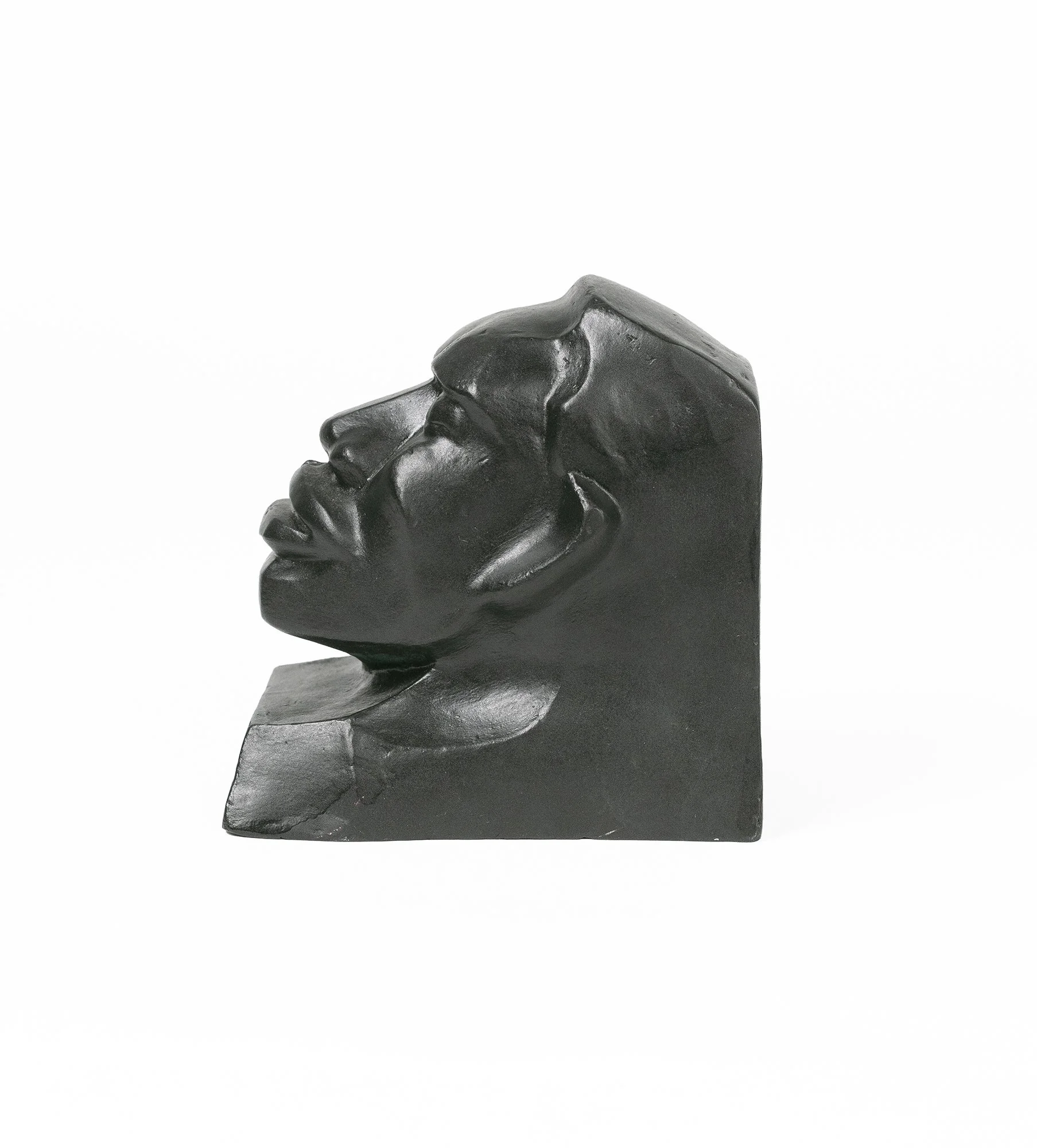
Stevedore
1970/2015
bronze, later casting by artist’s estate
5 x 4 x 5 inches
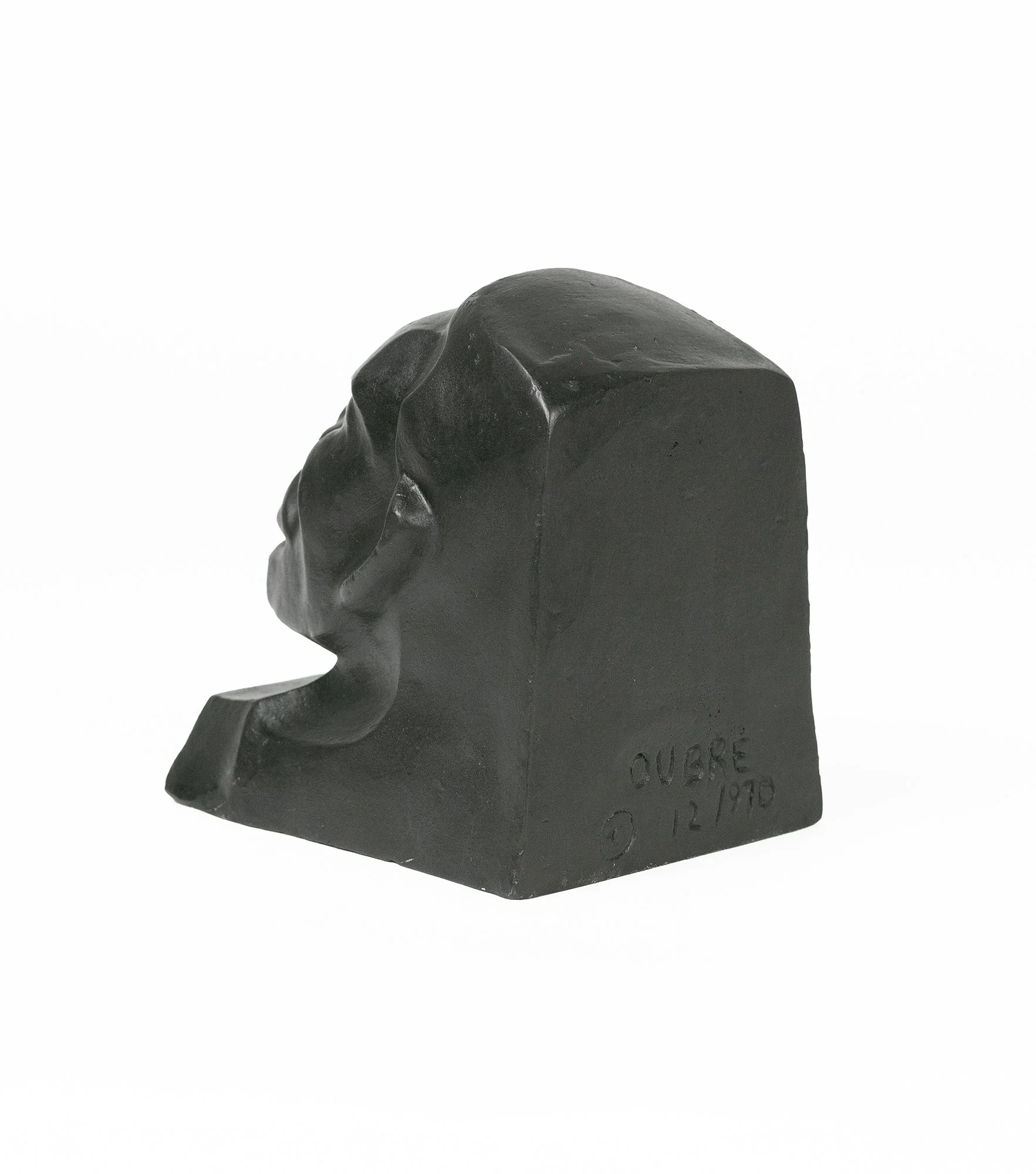
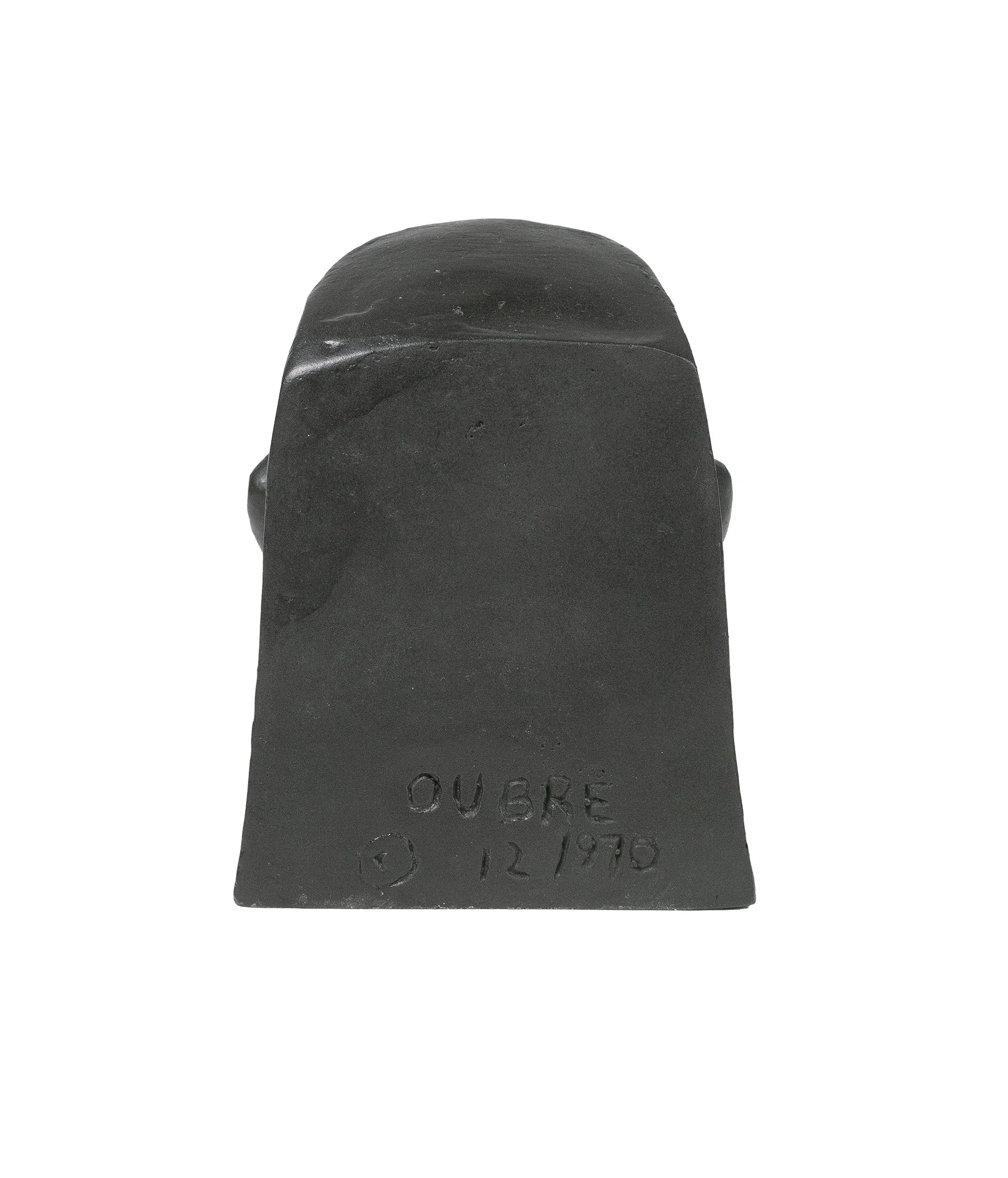
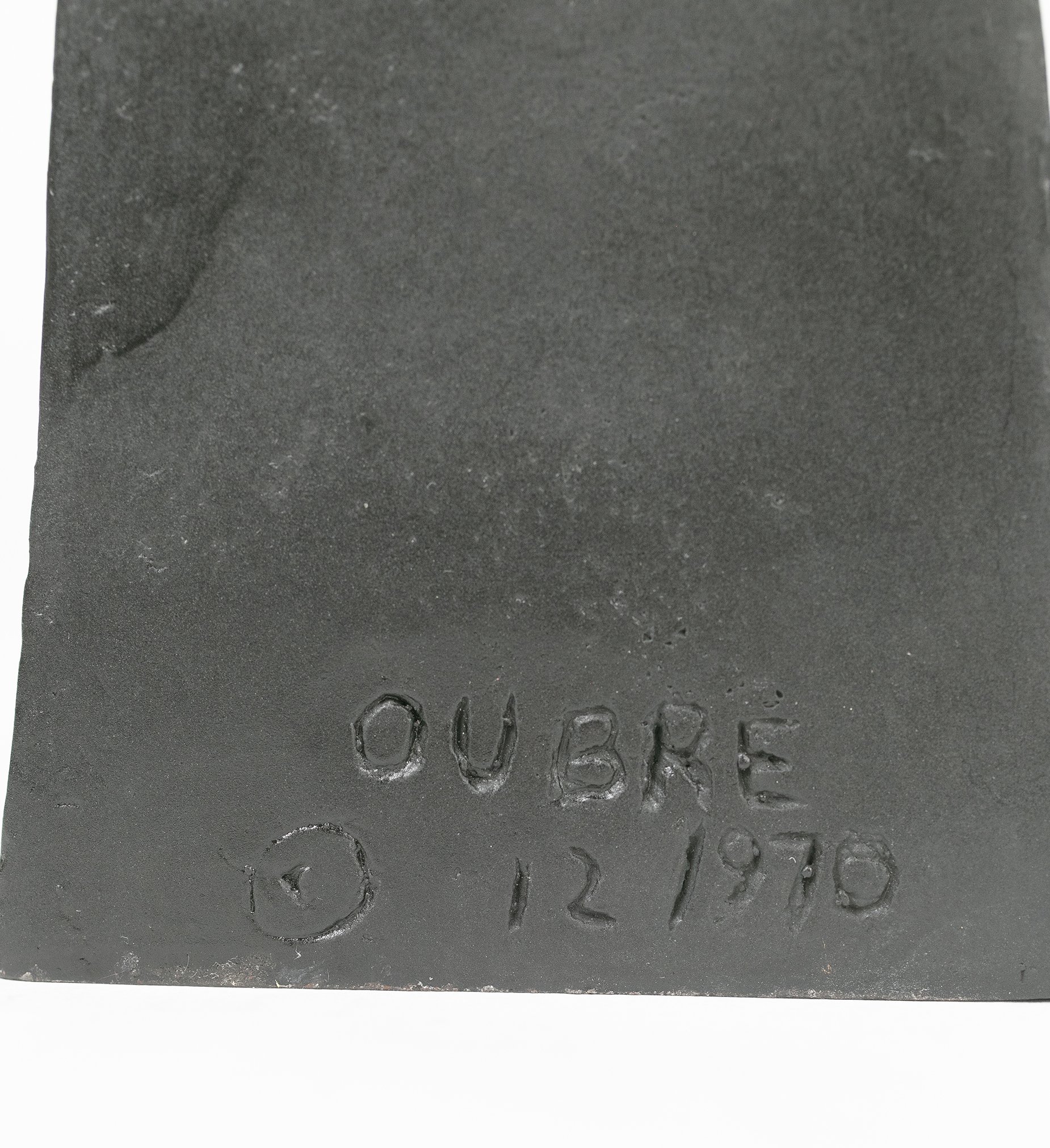
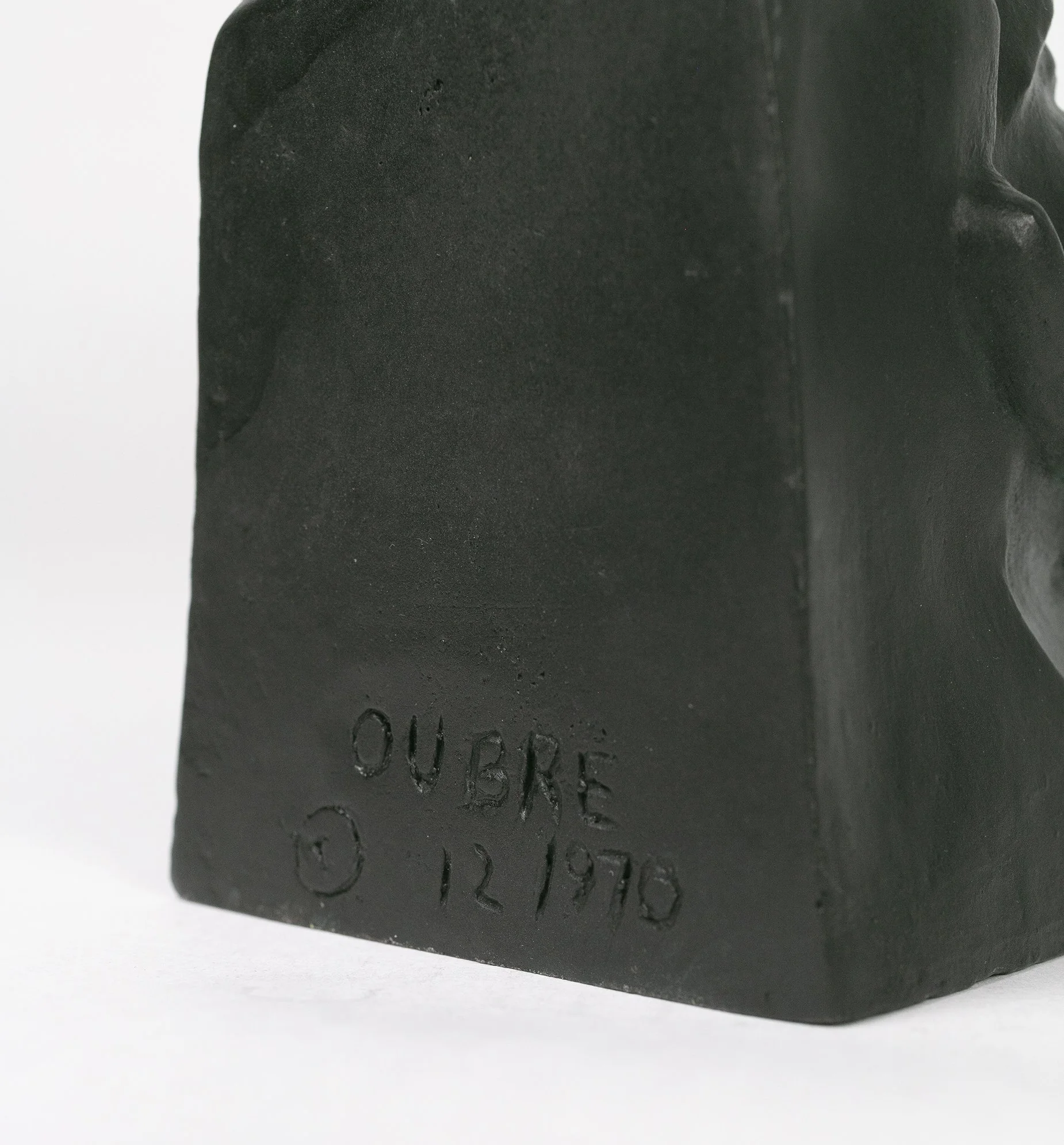
signed and dated, 12/1970
Sculptor, painter, printmaker, and educator Hayward Louis Oubré, Jr. developed a distinctive approach to American modernism while helping build opportunities for Black artists in the South. Best known for transforming ordinary wire coat hangers into remarkably intricate sculptures, he explored the relationship between line, volume, balance, and space. His work ranged from powerful representations of the human figure to abstractions inspired by scientific discovery and modern technology.
Born in New Orleans, Oubré became Dillard University’s first fine arts graduate in 1939. He continued his training at Atlanta University, studying with painter Hale Woodruff and sculptor Nancy Elizabeth Prophet. Their instruction placed him within an influential community of African American artists committed to both modernist experimentation and the representation of Black life. During World War II, he served with the all-Black 97th Engineer Regiment, participating in the construction of the Alaska–Canadian Highway. Following his military service, he attended the University of Iowa, earning his MFA in 1948. His experience with drafting and construction provided an important foundation for his later investigations of sculptural structure.
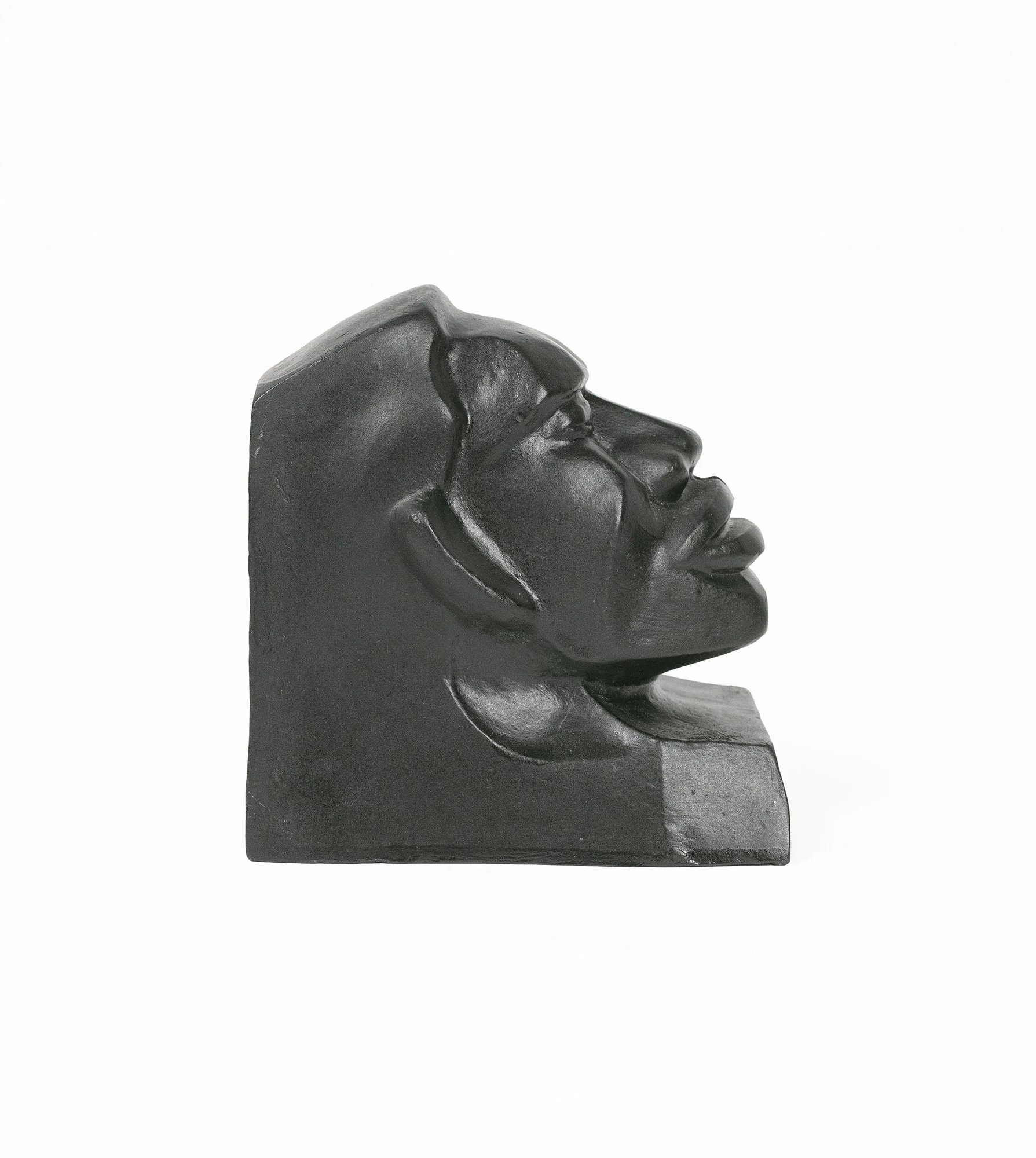
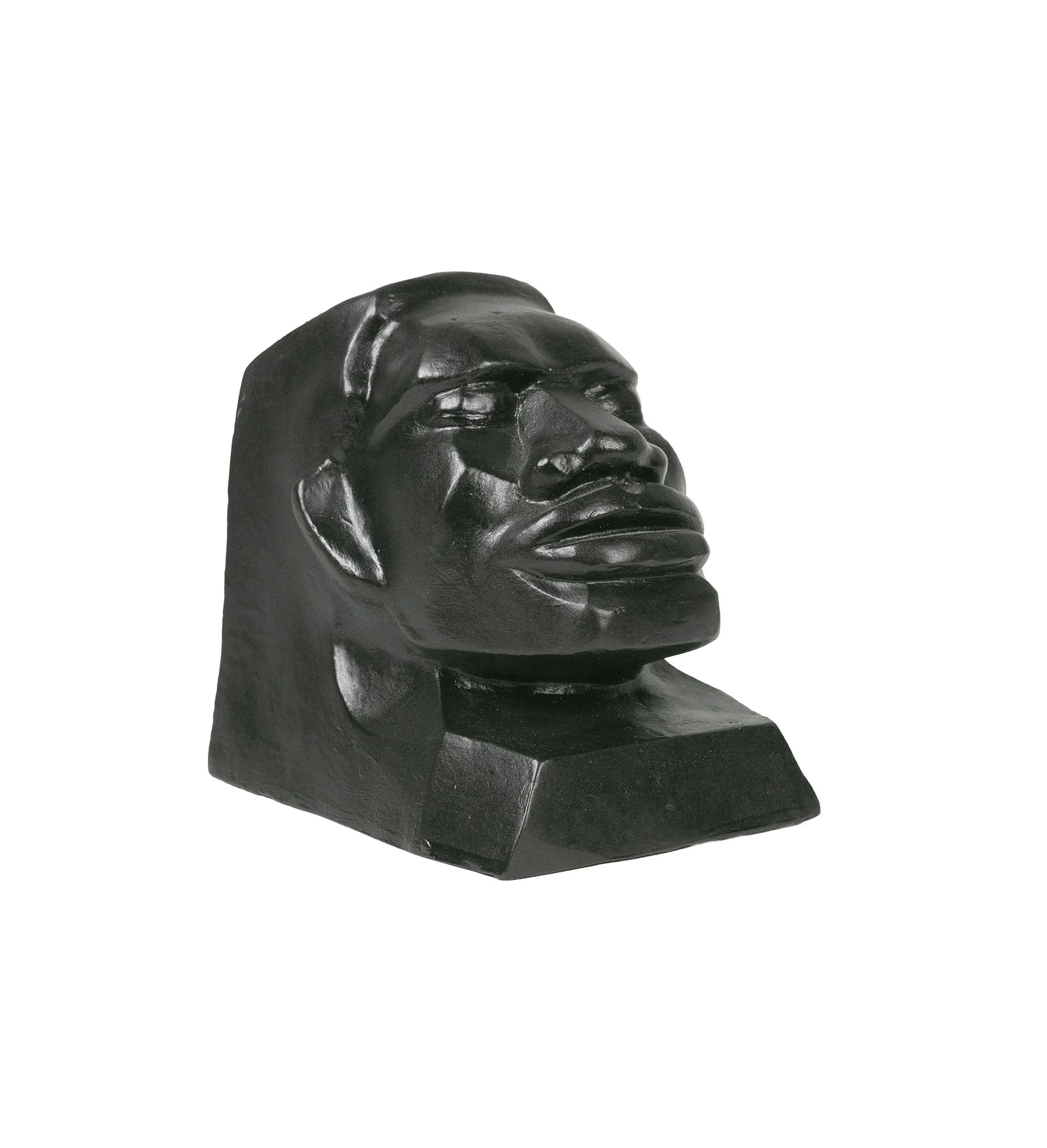
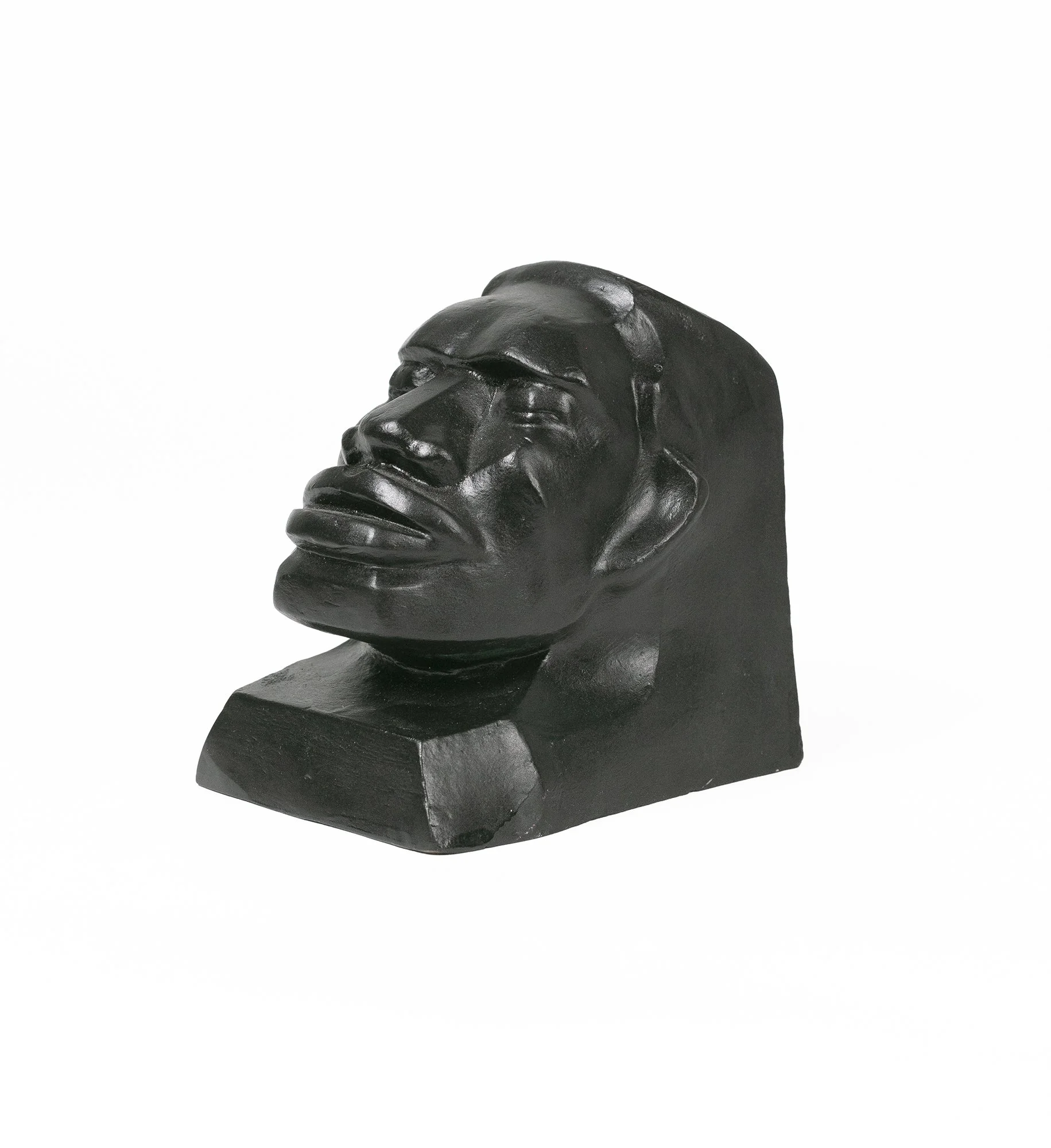
Oubré’s figurative sculpture reveals an interest in giving everyday subjects a commanding presence. In Stevedore, the broad brow, strongly modeled cheeks, full lips, and substantial neck establish a sense of physical strength. The compact, nearly architectural arrangement of these features can be read as an affirmation of the dignity of labor: the title identifies a worker who loads and unloads ships. Seen in this light, the sculpture elevates its subject through formal solidity and an expression of inward composure. The Studio Museum in Harlem holds a black-painted plaster Stevedore dated 1945, documenting the subject’s place in Oubré’s early practice.
During the 1950s, Oubré began developing the wire sculptures that became his signature achievement. Using pliers to bend and manipulate clothes hangers, he constructed open forms whose contours describe figures, animals, and abstract configurations. Their apparent lightness depended upon considerable physical effort and precise control of the material. His students called him the “master of torque,” and he explained his methods in The Art of Wire Sculpture (1960). These works give empty space an active role, allowing a sculpture’s interior and surrounding environment to participate in its visual effect.
Teaching remained central to Oubré’s career. After an appointment at Florida A&M University, he served as the first chair of the art department at Alabama State University from 1949 to 1965. He subsequently established the art department at Winston-Salem State University, where he remained until retiring in 1981. Alongside studio instruction, he investigated color theory and developed an expanded color wheel to help students understand color mixing and relationships. His educational work joined practical experimentation with a belief in the importance of rigorous artistic training.
Recent museum scholarship has brought renewed recognition to the breadth of his achievements. Hayward Oubre: Structural Integrity, his first monographic retrospective, opened at the Birmingham Museum of Art in 2024, traveled to the University of Iowa’s Stanley Museum of Art in 2025, and concluded at the New Orleans Museum of Art in 2026. Bringing together sculpture, painting, and prints, the exhibition situated his career within a history of American modernism shaped by Black artists and historically Black colleges and universities. His work is represented in collections including the Metropolitan Museum of Art, the National Gallery of Art, the High Museum of Art, and the Studio Museum in Harlem.
For a more information on Hayward Oubré and his work, please look at Black Art Auction’s previous publication about the artist.