Kay Brown
(1932-2012)
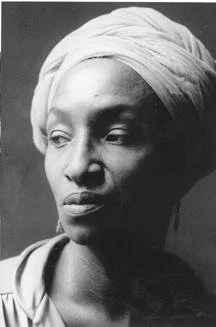
Black Goddess
1972
color etching and aquatint
10 × 7-1/2 inches (image), full margins
signed, dated, titled, and numbered 3/25
Kay Brown (1932–2012) brought the lives and experiences of Black women into focus through her work as a printmaker, collage artist, and advocate for greater artistic opportunity. Born and raised in Harlem, she developed her career amid the cultural and political energy of the Black Arts Movement. She earned her BFA from the City College of New York in 1968 and later completed an MFA at Howard University in 1986. As the only woman in the Harlem-based Weusi Artist Collective during its early years, Brown participated in a community that emphasized African heritage and the relationship between art and contemporary social concerns. Her commitment to Black cultural expression was accompanied by an equally strong determination to make space for women within it.
In 1971, Brown joined Dindga McCannon and Faith Ringgold in bringing together Black women artists to discuss the obstacles they faced in sustaining their careers. Their conversations led to “Where We At”—Black Women Artists, 1971, one of the earliest exhibitions devoted to professional Black women artists, held at the Acts of Art Gallery in Greenwich Village. The collective that grew from the exhibition provided both visibility and practical support: members shared opportunities, helped with childcare, and built relationships that allowed them to continue making art alongside the demands of work and family. Brown’s role in this undertaking made her an important figure in a movement that linked artistic recognition with the realities of women’s daily lives.
The two prints presented here, both dated 1972, suggest the breadth of Brown’s attention to Black womanhood. In Black Goddess, an elongated standing figure commands the composition. Sister Alone in Rented Room offers a more intimate encounter: a barefoot woman sits on a bed, her lowered gaze and bent posture conveying a sense of inward reflection. Patterned fabrics, the window, and the sparsely furnished room give tangible form to her isolation. Brown explained that the subject represented Black women who migrated from the South or other countries to northern American cities, compelled to leave their children behind. This context connects the print’s quiet emotional force to the hardships of migration and family separation.
Brown’s legacy rests in this connection between artistic expression and lived experience. Her images gave Black women a presence that could encompass strength, vulnerability, and complex interior lives, while her organizing helped create opportunities for their voices to be heard. Her work received renewed attention in We Wanted a Revolution: Black Radical Women, 1965–85, which opened at the Brooklyn Museum in 2017, and was included more recently in the Whitney Museum’s Sixties Surreal (2025–2026). These exhibitions place her contributions within the broader history of artists who challenged cultural exclusion through both their work and their collective action.
Sister Alone in Rented Room
1972
etching and aquatint
20 × 16 inches (image)
signed, dated, titled, and numbered 9/50